
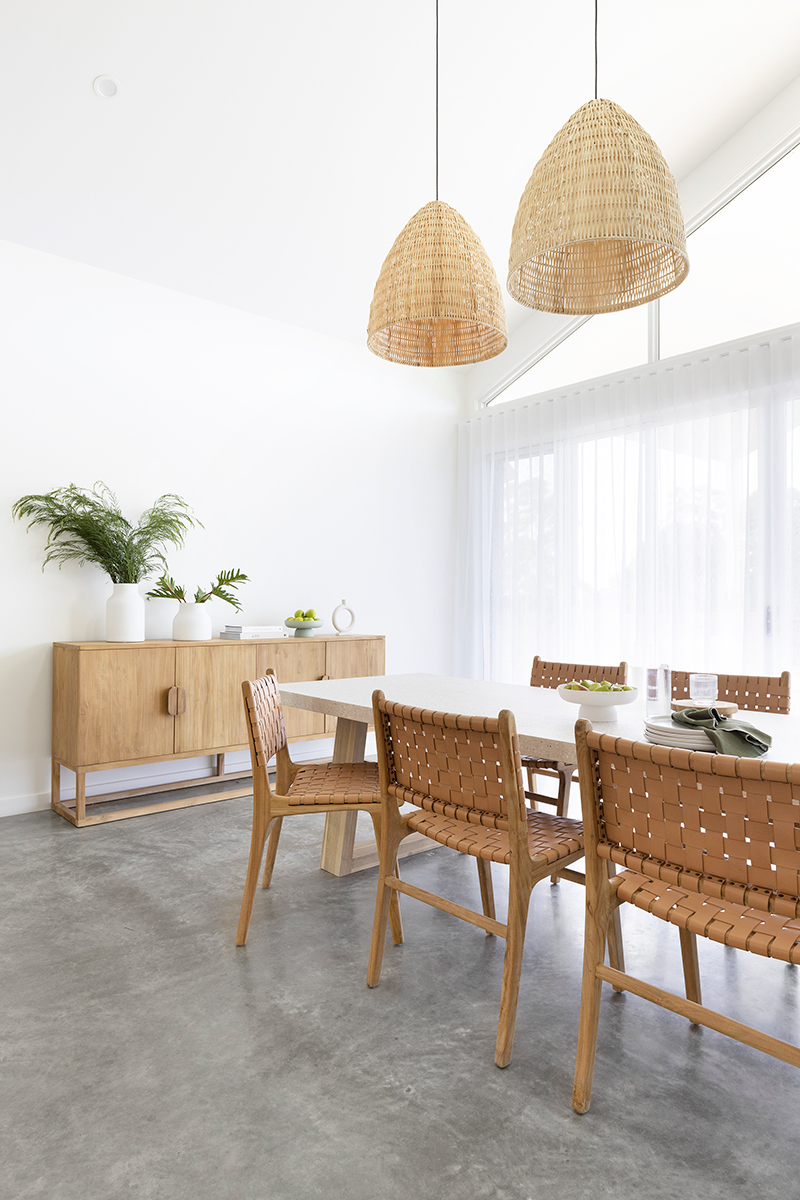
A healthy home is one that meets your physical and mental needs, providing you with a safe space to relax and recharge. There are many factors that contribute to a healthy home, from the quality of the air you breathe to the amount of natural light you receive. With World Health Day 2022 focused on creating a sustainable world for all, it’s important to consider how our homes can play a role in keeping us Healthy. Here are some quick tips for creating a Healthy home:
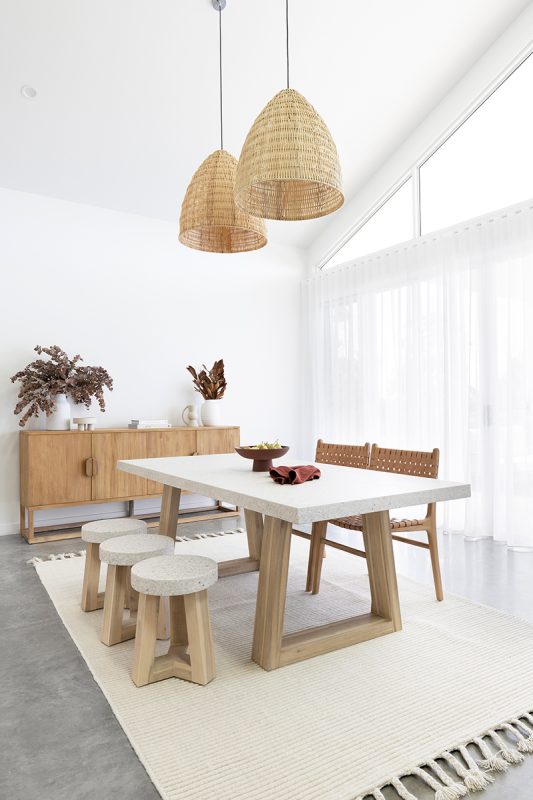
- Ventilate regularly to refresh the air and reduce indoor pollutants.
- Keep surfaces clean and free of dust to reduce the risk of allergies or other respiratory problems.
- Bring in plants to improve air quality and create a sense of calm.
- Make sure there is plenty of natural light because this can boost your mood and energy levels.
- Consider using low-VOC paint, flooring and furniture to create a Healthy environment.
- Keep noise levels down by using soundproofing materials or investing in noise-cancelling headphones.
Of course, we’re all going to have different ideas of what makes a healthy home for you and your family, so it’s up to you to determine what the words ‘healthy home’ mean to you – and that’s our first tip!
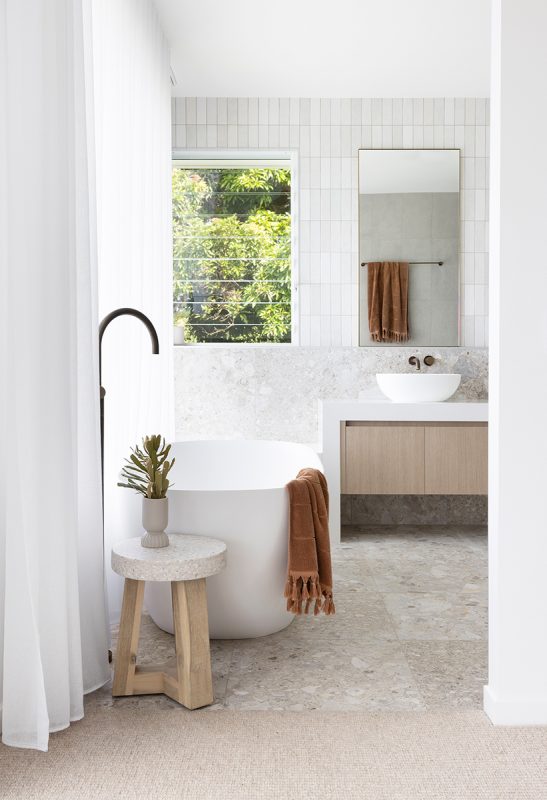
No. 1: What’s Your Idea Of A Healthy Home?
A healthy home is one that supports the physical and mental well-being of its occupants. For some people, this might mean ensuring that the space is clean and free of allergens. For others, it might mean creating a calm and relaxing environment. Is mental health a concern in your home? If so, what needs does that create for you? Taking the time to figure out what your home needs to provide in order to keep you healthy is an important step in creating a space that supports your well-being.
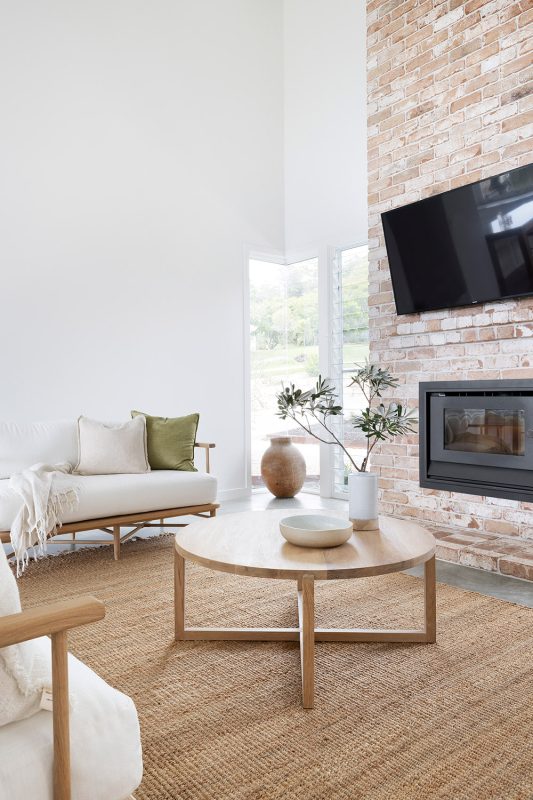
No. 2: Consider Lighting
Good lighting is important for a happy and healthy home. Sunlight has many benefits for our physical and mental health. Letting sunlight into your home can help to improve your mood, increase your energy levels, and improve your sleep patterns.
The sun can also help to kill bacteria and viruses, making it an excellent natural disinfectant. It can also help to dry out damp areas, preventing the growth of mold and mildew. Drying your clothes in the sun can also help to remove stains and kill bacteria. Plus, laundry dried in the sun will smell fresher and have fewer wrinkles.
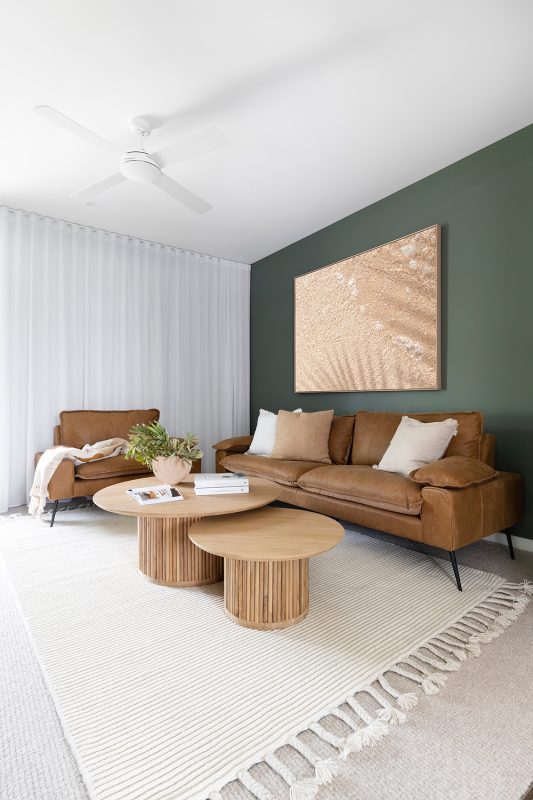
In addition to its physical benefits, sunlight also helps to regulate our circadian rhythms. This internal body clock helps to control our sleep patterns, energy levels, and hormone production. Exposure to sunlight during the day can help to ensure that we get a good night’s sleep.
At night, you can use dimmer switches, candles, or salt lamps to create a calming atmosphere that will help you to relax and sleep better.
No. 3: Fresh Air is the Best Air
Assuming your home is well-built and free of any musty smells, fresh air can actually help to make it feel more vibrant and alive. That’s because breathing in the fresh air helps to oxygenate the blood and eliminates toxins from the body. In fact, many experts say that spending time outdoors is one of the best things you can do for your health.
But what if you can’t get outside very often? In that case, it’s important to make sure your home is well-ventilated.
Indoor air pollution is a serious problem that can have harmful effects on your health. Studies have shown that the air inside your home can be up to five times more polluted than the air outside. Poor ventilation is one of the main causes of indoor air pollution, as it allows contaminants to build up in the air. These contaminants can include dust, pollen, mould spores, pet dander, and chemicals from cleaning products and other household items. Breathing in these pollutants can cause a range of health problems, from headaches and nausea to asthma attacks and respiratory infections.
Fortunately, there are a number of things you can do to improve the air quality in your home. One of the most important is to ensure that your home is well-ventilated. This means opening windows and doors regularly to let fresh air into your home. You should also avoid using strong chemical cleaners and aerosol sprays, as these can add pollutants to the air. Instead, opt for natural alternatives or use ventilation fans when cooking or cleaning.
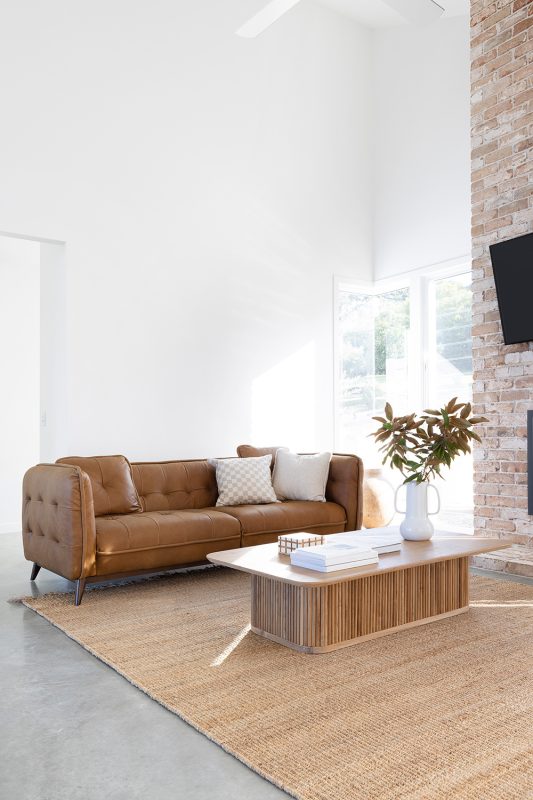
Whatever you do, just make sure you’re getting some fresh air into your home every day to make your home a happier and healthier place for everyone who lives there.
No. 4: Prevent, Identify, and Treat Mould and Dampness
No one likes to think about mould and dampness, but unfortunately, they can be a reality in many homes. Mould and dampness can cause a variety of health problems, including respiratory problems, allergies, and even depression. In addition, mould and dampness can damage your home, causing rot, discoloration, and structural damage.
The good news is that there are steps you can take to prevent mould and dampness from taking over your home.
First of all, you need to identify where the mould and dampness are coming from. If you can find the source of the problem, it will be much easier to fix it. Once you’ve located the cause, you can start treating the mould and dampness. There are a number of products on the market designed specifically for this purpose. Just make sure you follow the instructions carefully, as some of these products can be quite toxic. And finally, once you’ve got rid of the mould and dampness, take steps to prevent it from coming back. Make sure your house is well ventilated, and try to keep things as dry as possible.
This way, you can create a happy and healthy home for yourself and your family.
No. 5: Prioritize Tidiness and Organization
Having a neat and tidy home can help to make your home happy and healthy. A cluttered and disorganized home can be chaotic and overwhelming, making it difficult to relax and unwind at the end of a long day. By contrast, a tidy home can provide a sense of peace and order, creating a calm and serene environment. In addition, a tidy home is less likely to harbor dust, mold, and other allergens that can trigger asthma and other respiratory problems.
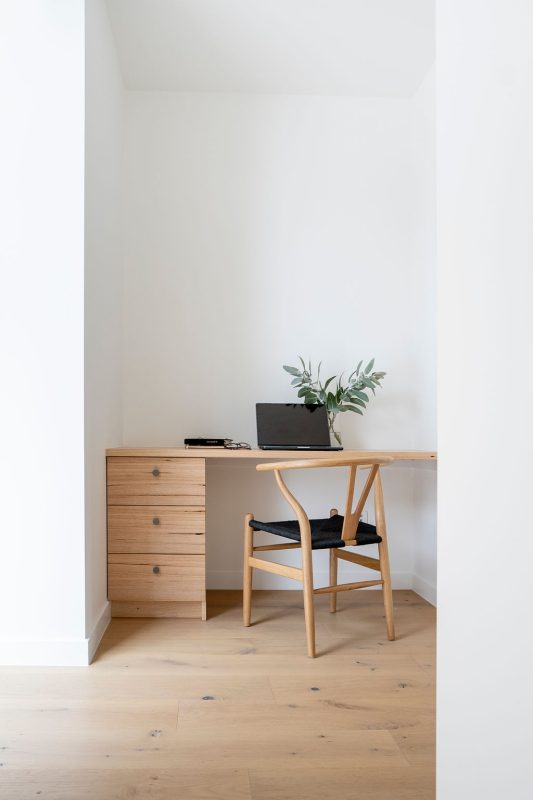
Decluttering can also help you to get rid of items that are no longer useful or that you no longer have a use for. Not only will this free up valuable space in your home, but it will also make it easier to keep your home clean and organized.
In short, maintaining a neat and tidy home can have a big impact on your overall happiness and well-being.
No. 6: Stimulate Your Senses
There’s more to a happy and healthy home than just good physical hygiene. In order to truly feel at home, you need to engage all of your senses. Sight, smell, sound, touch, and taste are all important ways of taking in the world around you. Our senses are what help us to enjoy the world around us – whether it’s the smell of freshly baked cookies or the sound of rain pattering against the windows. Studies have shown that exposure to pleasing sights and smells can help to lower stress levels, improve mood, and even boost immunity.
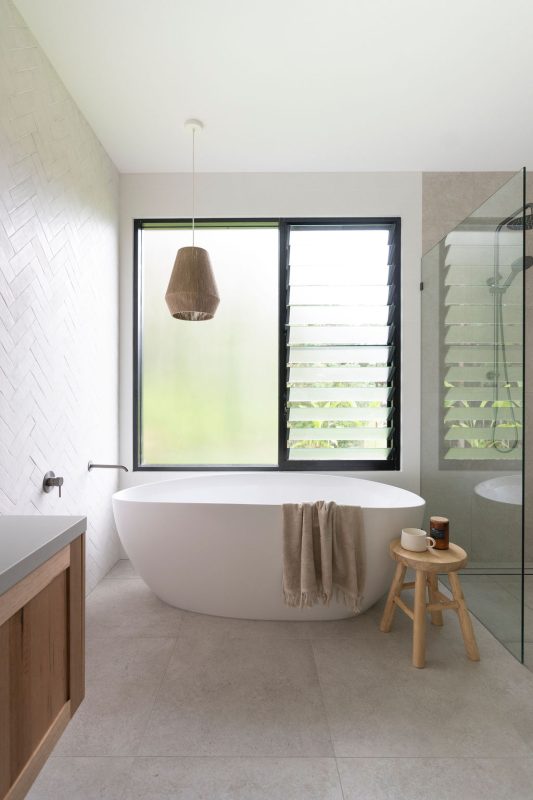
So how can you make sure that your senses are being properly stimulated at home? First, take a good look around and make sure that your living space is pleasing to the eye. Declutter, add some fresh flowers or new artwork, and rearrange furniture if necessary. Then, focus on scent. Try using essential oils in a diffuser, baking cookies or bread, or simply lighting a scented candle. And finally, don’t forget about sound! Make sure that your home is filled with calming music, white noise, or even just the sounds of nature. By taking some time to engage your senses, you can create a happy and healthy home environment.
No. 7: Choose Materials with Allergies in Mind
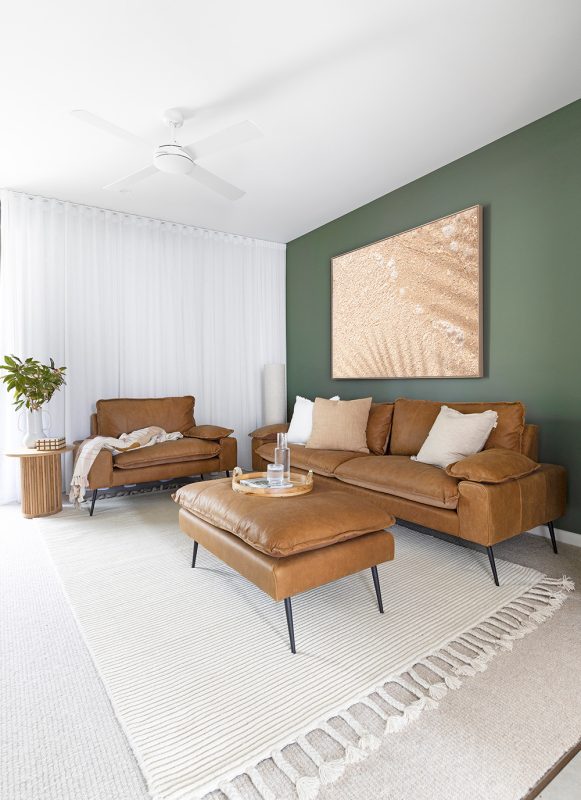
If someone in your family suffers from allergies, you know that it can make life pretty miserable. Dealing with the sneezing, watery eyes, and other symptoms can be a real pain. But did you know that your home may be part of the problem? Dust mites, pet dander, and other common allergens can lurk in carpets, furniture, and bedding, making it difficult to get relief. Fortunately, there are some simple steps you can take to reduce allergens in your home and make it a happier and healthier place for everyone.
One way to reduce allergens is to choose hypoallergenic materials for your upholstery, carpeting, and bedding. These materials are less likely to trap dust, pollen, and other allergens. Another way to reduce allergens is to keep your house clean and free of clutter. Vacuum regularly with a HEPA filter, dust often, and wash sheets and pillowcases in hot water weekly. This will help to remove dust mites, pet dander, and other particles from your home. In addition, consider using dust-proof covers on your mattress and pillows. If you have pets, keep them out of bedrooms and off upholstered furniture. And don’t forget to clean floors often – either with a damp mop or by vacuuming with a brush attachment.
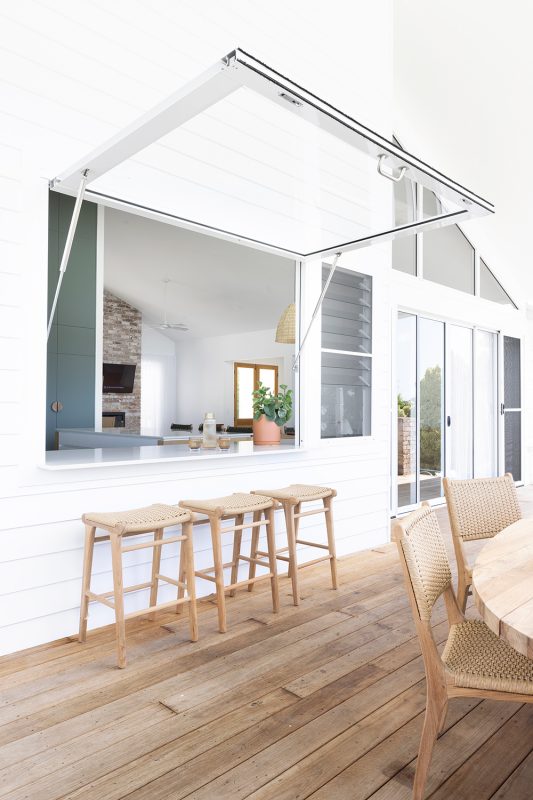
By taking these steps, you can help to reduce allergens and make your home a more comfortable place for everyone.
No. 8: Add Colour to Add Life
Most of us probably don’t think too much about the plants in our homes. But the truth is, they can play a big role in making our spaces happy and healthy. Plants help to purify the air, improve our moods, and boost our cognitive function. They can also help to reduce stress levels and noise pollution. And that’s just the beginning! Studies have shown that having plants in our homes can also help to improve our sleep quality, lower our blood pressure, and boost our immune system.
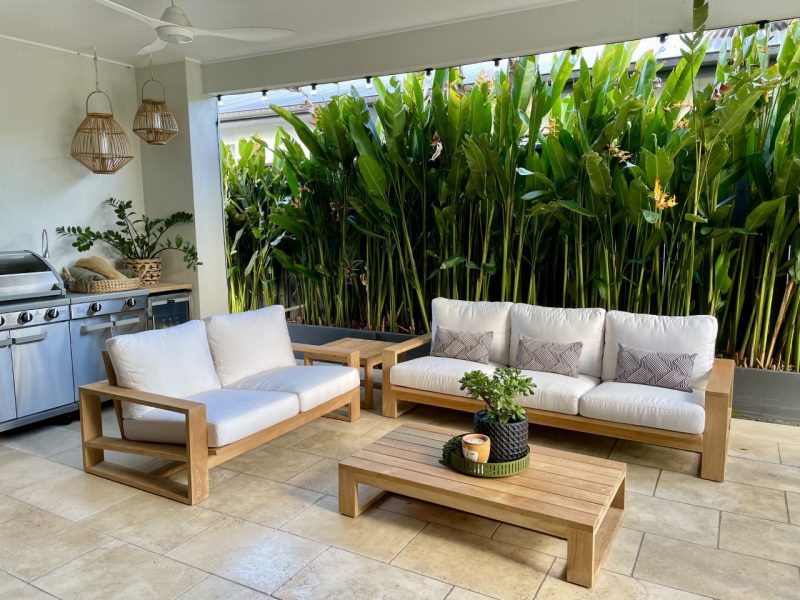
However, not everyone has the time or ability to care for real plants. Fake plants can be just as effective in creating a happy and healthy home. They require no watering or sunlight, and they’re not susceptible to pests or diseases. Fake plants are also a great way to add a touch of green to your home. A little bit of greenery can help to freshen up any room and make it feel more inviting. So whether you choose real or fake plants, a touch of green is sure to help you create a happy and healthy home.
*
There are many factors that contribute to a healthy home. A healthy home is one that supports the physical and mental well-being of its occupants. Sunlight, ventilation, mould and dampness control, tidiness, pleasing sights and smells, and plants are all important considerations for creating a space that promotes health and well-being. By taking some simple steps to reduce allergens and create a more serene environment in your home, you can help improve your sleep quality, lower your blood pressure, boost your immune system, and overall promote better physical and mental health.
[ux_products type=”row” ids=”26571,26541,26536,7333,8594,17415,25918,25907,18874,18870,18863,2210,26181,25804,25802,25767,10934,4904,14520,21929,21489,16596,16593″]